“For I knew that the King in Yellow had opened his tattered mantle and there was only God to cry to now.”
You are investigating the impact of The King in Yellow on Parisian society. You have read the play. Carcosa will eventually reveal itself to you. Reality isn’t as it seems.
It is a time of war in the world of Yore. The fields of battle are bathed in the blood and gristle. Spears shine in the dawn as armies clash – the noble Knights of Lamarque against the mind-addled Goblin Horde. Shambling Gravespawn colliding with the Dwarven Warbeards of the Craglands.
A couple of weeks ago I posted about the best D&D edition that isn’t a D&D edition. I know THAT game sucks all the air out of the room, but YAG D&D (Young Adventurer’s Guide) has wormed its way into my psyche.
I set out some initial rules for YAG but I wanted to spend some time here revising them as I wasn’t totally happy with the initial draft.
I did a quick straw poll on BSky asking whether, back in the day, players of BX/Basic/OD&D actually saw combat as a fail state. This is the thinking that came from Matt Finch’s Old School Primer and has become the standard for OSR games or people playing older D&D.
The magic circle is the space and time when the usual social constructs of reality are replaced with the artificial notion of play. We gather around the table or computer to play a TTRPG and the circle is formed. We become others. We create heirarchy. We roll dice to find out.
For the past couple of years I’ve been fascinated with the LBBs of OD&D. While I’ve previously attempted to delve into them, I couldn’t seem to grasp much of what it was saying. I felt like someone trying to make sense of an enochian manuscript. Of course, this was before Holmes had put things into a neater ruleset, when really what I was reading was scraps of houserules and a Jackson Pollock of thoughts.


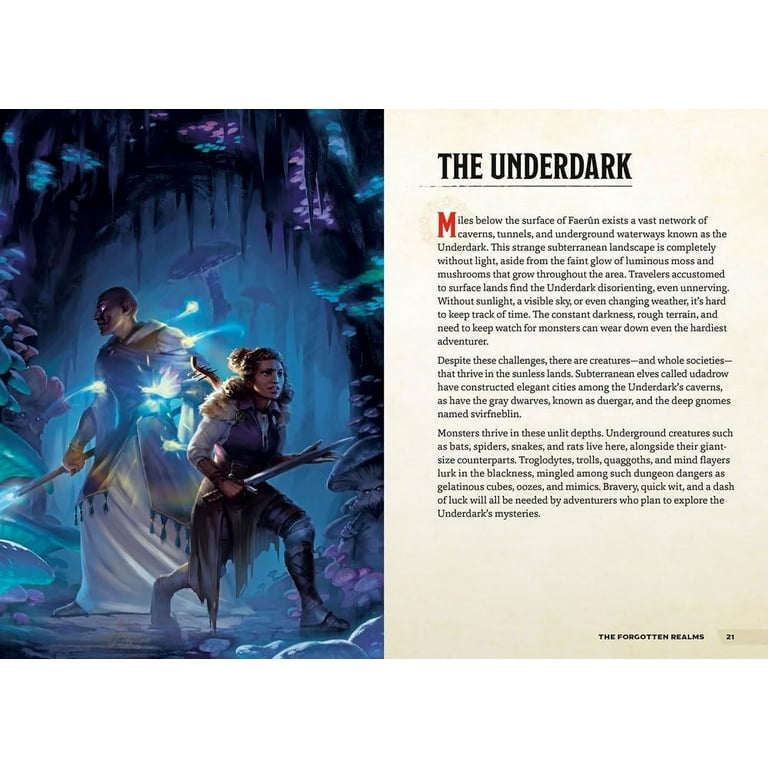 A couple of weeks ago I posted about the best D&D edition that isn’t a D&D edition. I know THAT game sucks all the air out of the room, but YAG D&D (Young Adventurer’s Guide) has wormed its way into my psyche.

